


Home Studio Q&A: Mic Placement, Analog Warmth & Committing to Sounds

Home Studio Q&A: Mic Placement, Analog Warmth & Committing to Sounds
What does this Home Studio Q&A cover?
Ever find yourself second-guessing your sounds in your home studio…
Reaching for another plugin, another tweak, another “fix”…
but still not quite landing on something that feels like a finished record?
This Q&A session gets right to the heart of that—sharing practical insights on mic placement, analog warmth, and real-world home studio music production decisions you can apply from the source all the way through the mix.
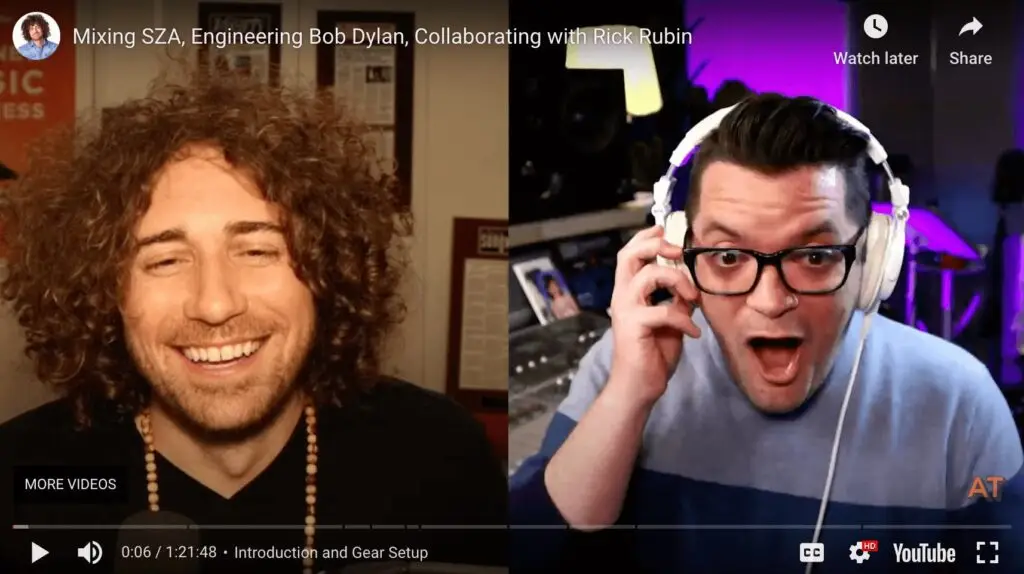
👇 Watch the full replay below:
Real Questions. Real Studio Decisions.
This wasn’t a lecture.
It was a room full of producers, artists, and engineers working through real challenges in real time.
Inside the session, we covered:
- Losing objectivity when you’re producing your own music
- When (and why) to bring in collaborators
- How to create warmth and “analog feel” in digital mixes
- Mic placement strategies that shape tone before plugins
- Mid-Side mic techniques for guitars and singer-songwriters (with added b-roll from my setup at Shangri-La Studios during The Avett Brothers’ “True Sadness” sessions with Rick Rubin)
- Gain staging and protecting headroom while still getting aggressive sounds
- Whether in-the-box mixing can truly compete with analog gear
The Objectivity Problem (And Why It Matters)
One of the most relatable moments in this session:
👉 You create something… and then you can’t stop listening to it.
At first, it feels great.
Then slowly, your perspective starts to blur.
What sounded exciting becomes confusing.
What felt finished suddenly feels uncertain.
The takeaway?
Sometimes the best move isn’t to keep tweaking—it’s to step away or bring in another set of ears.
Having someone else:
- Listen less
- Stay objective
- Help guide decisions
…can completely change the outcome of a record.
“Too Clean” vs “Feels Like a Record”
A big theme that came up:
“My mixes sound too clean… too digital.”
If you’ve ever felt that, you’re not alone.
The conversation highlighted a few powerful shifts:
- Warmth often starts at the source (mic choice, placement, performance)
- Off-axis mic placement and ribbon mics can naturally soften harshness
- “Analog feel” isn’t about gear—it’s about how you drive and shape sound
We also talked about using tools like:
- Saturation
- Console emulation
- Input drive on plugins
…but always with intention—not just stacking plugins hoping something sticks.
In-The-Box vs Analog: The Truth
This came up directly—and the answer was refreshingly simple:
👉 There’s no real limitation mixing in the box.
The difference isn’t:
- SSL vs plugins
- Analog vs digital
It’s:
- Decision-making
- Taste
- Experience
With the right approach, you can achieve depth, character, and impact entirely in the box.
Gain Staging, Headroom & Staying Honest
One of the most practical takeaways from this session:
👉 Level matching changes everything.
When adding plugins:
- Match input/output levels
- A/B honestly
- Don’t let “louder = better” trick your ears
This alone can completely change how you evaluate your mix decisions.
We also covered:
- Keeping your signal clean through the chain
- Driving plugins intentionally, then pulling output back
- Protecting headroom—even when going for aggressive, saturated sounds
Recording Decisions That Make Mixing Easier
Another big theme:
👉 Mixing starts during recording.
Instead of playing it safe, we talked about:
- Committing to EQ and compression on the way in
- Choosing mics based on the sound you want—not habit
- Catching issues early (like harsh vocals or sibilance) before they become mix problems
These early decisions can save hours later—and often sound better.
Practical Ideas You Can Try Right Now
If you take one pass through your current project, try this:
- Level match every plugin in your chain
- Remove anything that isn’t clearly helping
- Experiment with mic position instead of reaching for EQ
- Clip gain harsh moments before adding compression
- Push sounds creatively—even if it breaks “rules”
Final Thought
At the end of the day, all of this comes back to one simple idea:
👉 Whatever sounds good wins.
Not what looks right.
Not what you think you “should” do.
If it feels right—commit and move forward.
If you want more home studio music production tips, live feedback, and real-world mix breakdowns…
👉 Come join us inside Mix Protégé.
And if you watched the replay—curious what stood out to you.
What’s the one thing you’re going to try on your next session? 🎛️
Ready to Go Deeper?
If this session sparks ideas or questions, come join us inside Mix Protégé. You’ll get access to future and past live Q&As, member-only feedback threads, mix critiques, lively forums, coaching, and a friendly community of producers and engineers leveling up together.

This was a fantastic session, thanks so much for hosting, Dana!! I watched the ‘May It Last’ documentary from the Avett’s – was really great and so cool to see all the studio footage, including mic placement etc.!!
🏆 Really quality info here, wow, thank you @Dana
🎙️
Such a fun Zoom hang with you all!! ⚡️💜